StoryForge Library
Write a Book Series With AI Without Losing Continuity
A practical guide for series authors using AI: keep canon, character voice, and book-to-book continuity intact without turning your workflow into prompt sprawl.
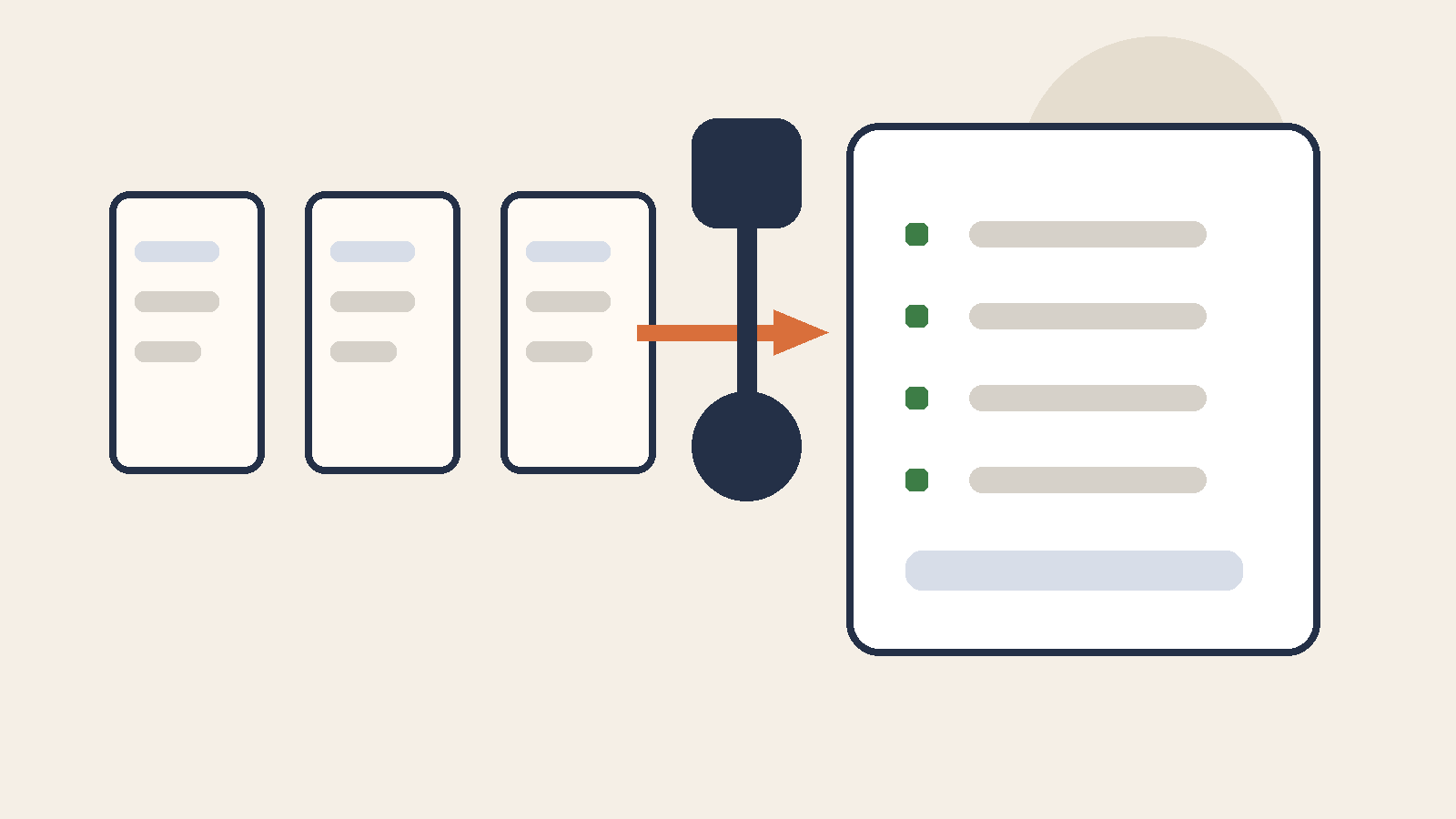
If you want to use AI to write a book series, the real problem is not getting chapter one on the page. The real problem is keeping book four consistent with book one. That is where most AI workflows start breaking. Characters drift. Lore mutates. A promise you set up in one draft disappears six chapters later. For series authors, AI is useful, but only if the workflow can hold continuity across the entire project.
This is the practical way I would approach AI for a multi-book series in 2026.
Why series authors hit the wall faster
A stand-alone novel already pushes a writing system hard. A series multiplies the pressure.
Now you are not only tracking one plot. You are tracking recurring characters, world rules, emotional debts, unresolved promises, power escalation, location history, and reader memory from previous books.
That is why general chat tools feel great early and risky later. Tom's Guide described the same pattern in its January 2, 2026 article I tried writing a book with ChatGPT. Here's where it completely broke down: once the project gets long, the burden shifts back to the author to restate context and repair drift. Tools built for fiction exist because persistent story memory matters.
You can see the same assumption in tool design. Dabble's Series and Shared Worlds page is built around cross-book notes and shared canon. Folian's writing software for series authors page makes the continuity problem explicit too. The market has already voted on the workflow issue. Series authors do not just need prose help. They need memory.
What AI is actually good at in a series workflow
AI is useful in a series when you keep it inside a controlled system.
It is good for:
- stress-testing plot logic before you draft
- summarizing prior chapters or prior books into working briefs
- checking whether a scene violates known character motivations
- proposing alternate scene turns without rewriting the series bible
- surfacing continuity gaps before they ship
- helping you maintain pace while you stay in control of canon
It is bad at being the only source of truth for a long series.
That is the mistake. Authors ask a chat thread to act like a story bible, revision queue, voice ledger, continuity checker, and export pipeline at the same time. It was never built for that.
The rule that matters most
Do not let the chat be the canon.
The canon needs a stable home outside the prompt history. If your series bible lives in scattered conversations, you will keep paying the same tax over and over:
- re-explaining your protagonist
- re-explaining relationship history
- re-explaining world rules
- re-explaining what the cliffhanger actually promised
- re-explaining why a side character cannot suddenly solve the main problem
That is not a writing workflow. That is prompt debt.
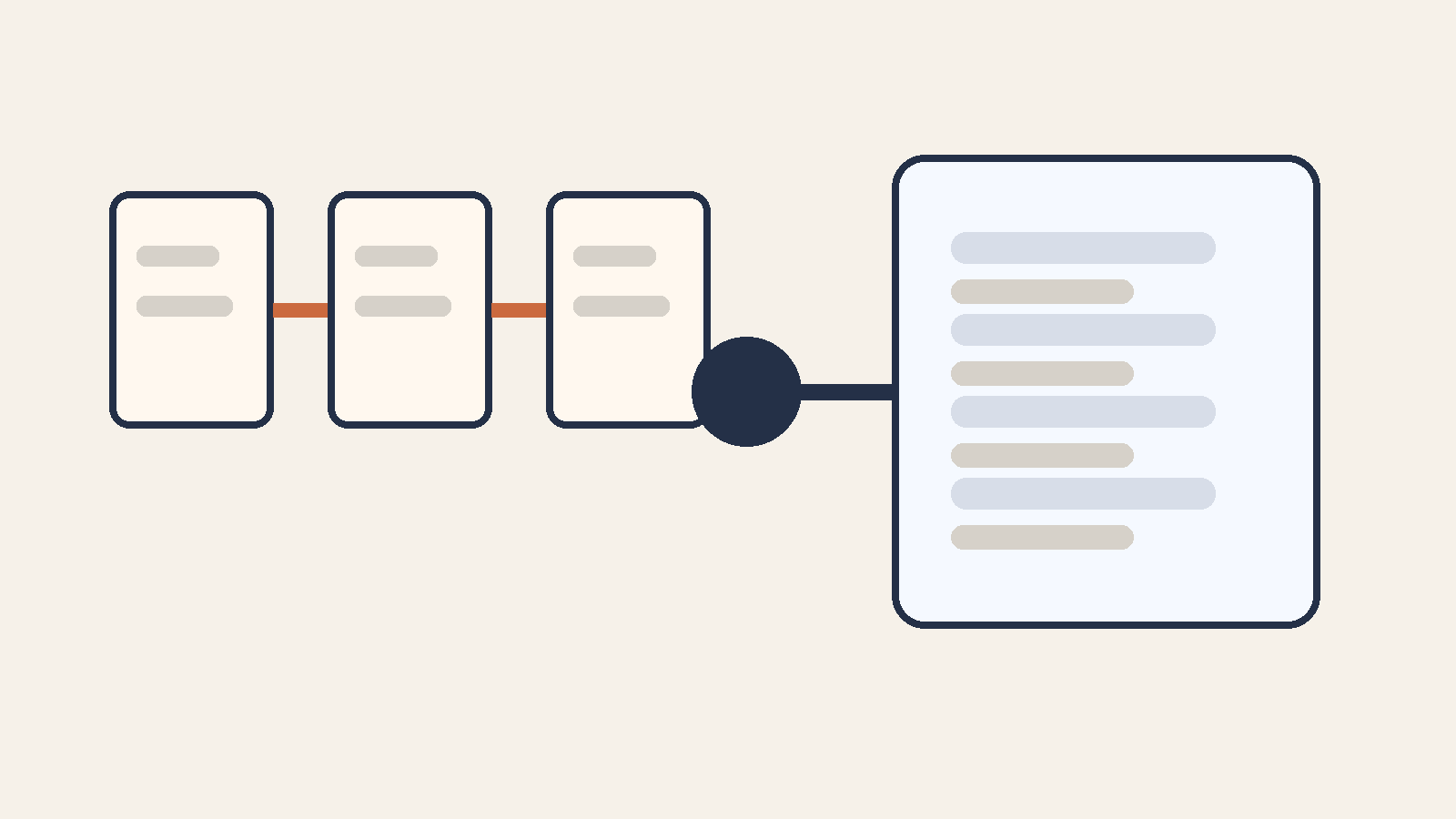
A practical AI workflow for writing a series
1. Build the series memory first
Before AI drafts anything, define the stable pieces:
- series premise
- genre promise
- recurring cast
- voice rules by POV
- world rules and exceptions
- timeline anchors
- unresolved threads from prior books
- what each book must deliver emotionally
This is the memory layer. If it is weak, the prose layer will drift.
2. Give every book its own contract
Book two should not be a vague continuation of book one. It needs its own promise, conflict, progression, and ending condition. AI can help fill scenes, but it should draft against a contract, not against a fog.
3. Treat every chapter as state change
For series work, each chapter should update the canon in some way. A relationship deepened. A secret moved. A power rule changed. A location was damaged. A promise was made. If you do not log that state change, AI will not protect it for you later.
4. Separate drafting from continuity checking
Drafting mode and continuity mode are different jobs. Drafting wants motion. Continuity wants scrutiny. Run them separately. Let AI help you move fast, then run a hard pass that checks voice, timeline, promises, and cross-book consistency before the draft becomes authoritative.
5. Keep exports and metadata tied to the same source of truth
Series problems often show up at the edges: a blurb that promises the wrong arc, front matter that references the wrong order, or a cover concept that no longer matches the book. If your drafting files, metadata, and export steps all live in different places, you create another continuity leak.
Where StoryForge fits
This is exactly the gap StoryForge is built for. The point is not to give authors another prompt box. The point is to give the book a stable production path from premise through outline, voice, chapters, revision, and export.
If you want the broader base workflow first, read How to write a novel with AI. If voice drift is the thing you are fighting right now, read How to write a novel with AI without losing your voice. If you are comparing stacks, StoryForge vs NovelCrafter explains where a codex-style planner helps and where a full production system matters more.
For series authors, the wedge is simple: the system has to remember what the book already became.
My recommendation
Use AI to accelerate the work. Do not use it to replace the system.
For a series, the winning setup is not the tool that can generate the prettiest chapter in isolation. It is the workflow that can preserve continuity, character truth, and reader promises across multiple books without forcing you to re-prompt the universe every night.
That is the difference between a fun AI experiment and a repeatable fiction production workflow.
Disclosure
This article was researched against live web sources on May 24, 2026, drafted with StoryForge automation assistance, reviewed for link validity and founder-voice fit, and prepared for publication through StoryForge's signed blog publishing workflow. It exists for serious indie authors who are trying to scale a series without letting continuity collapse.
Ready to turn a book idea into a publish-ready manuscript?
Start your free trial